
SDA vs SIL vs ILO: Understanding Your NDIS Housing Options

Navigating NDIS home and living options can feel complicated, especially when the acronyms all start to blur together. SDA, SIL, ILO are three different funding types, have three different purposes, and three very different experiences of what daily life looks like. Getting clarity on which option suits your situation is one of the most important steps in your NDIS journey.
Our team at Your Best Life Independent Living explains what each option means, who it is designed for, how it is funded, and what the key differences are. We also cover the questions we hear most often — including whether you can have SDA and SIL at the same time, and whether ILO is the same as SIL.
If you are exploring NDIS housing options for the first time, or reviewing what is already in your plan, this is a practical starting point.

Quick Answer: SDA vs SIL vs ILO
SDA (Specialist Disability Accommodation) is funding for the physical property, purpose-built or modified housing for participants with extreme functional impairment or very high support needs.
SIL (Supported Independent Living) is funding for the daily support provided to a participant in their home, most often in a shared living arrangement.
ILO (Individualised Living Options) is a flexible funding package that helps a participant design and maintain a living arrangement of their own choosing and with support shaped around them, not the other way around.
The key difference is that SDA covers where you live, while SIL and ILO cover how you are supported.
What Are NDIS Home And Living Options?
NDIS home and living options are a group of support types that help eligible participants live as independently as possible. They sit within the broader Home and Living Supports category in the NDIS guidelines and include specialist housing, daily living assistance, and flexible support arrangements.
The three most commonly discussed NDIS accommodation options are Specialist Disability Accommodation (SDA), Supported Independent Living (SIL), and Individualised Living Options (ILO). Each serves a different purpose.
SDA is about the physical environment. SIL is about structured daily support. ILO is about participant-designed flexibility. They can sometimes work together, but they are not interchangeable. Confusing them is one of the most common mistakes participants and families make when planning for housing.
The right starting point is understanding what each one actually funds, and who qualifies for it.
What Is SDA Under the NDIS?
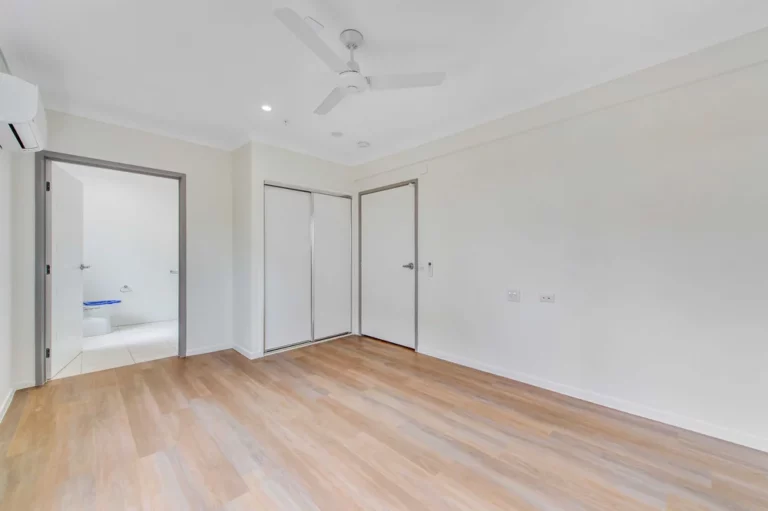
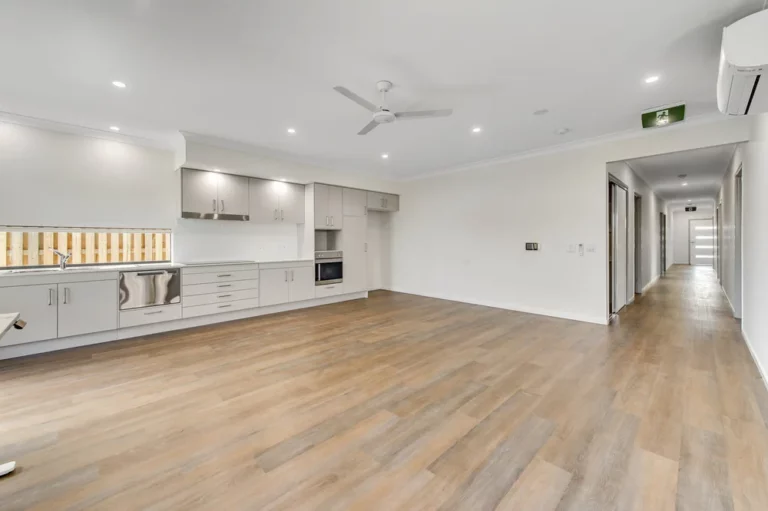
Specialist Disability Accommodation (SDA) is NDIS funding that covers the cost of living in purpose-built or significantly modified housing. SDA homes are designed for NDIS participants who have extreme functional impairment or very high support needs. They make up a small percentage of the total participant population.
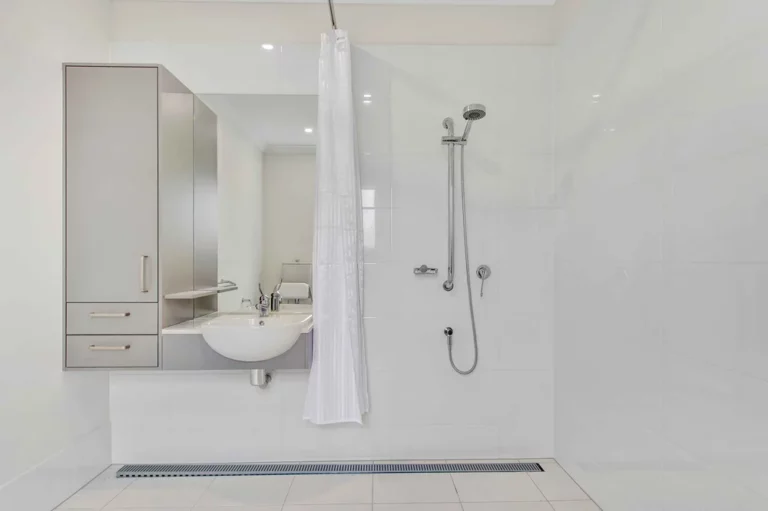
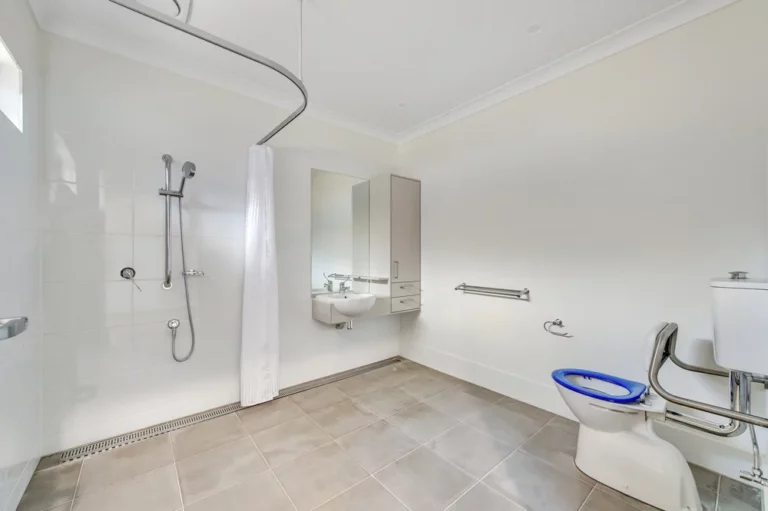
The design features of SDA homes are what makes them unique. They are not standard rentals adapted slightly. They are specially designed homes built to specific standards.
What SDA Homes Include
Depending on the SDA design category, these homes may include features such as:
- Wheelchair accessibility throughout, including wider doorways and turning circles
- Ceiling hoists and tracking systems for participants who require physical transfers
- Reinforced walls and robust construction for participants who may engage in challenging behaviour
- High physical support features, including hospital-grade fittings and assistive technology integration
- Separate support worker quarters in some design categories
Who is eligible for SDA under the NDIS?
SDA eligibility is assessed separately from general NDIS eligibility and applies to a relatively small proportion of participants. To qualify, a participant must demonstrate extreme functional impairment or very high support needs that cannot be met in standard housing.
The NDIS will assess whether SDA represents value for money relative to other housing options. Not every participant with a disability or high support needs will qualify — and this is a common source of confusion.
SDA funding appears in a participant’s NDIS plan as a capital support. It covers the property cost, not the support worker hours. Many participants who live in SDA homes also have SIL funding but these are separate funding streams, approved separately, and managed separately.
SDA Homes on the Sunshine Coast and North Brisbane
Your Best Life Independent Living offers SDA homes across the Sunshine Coast and North Brisbane corridor, with current properties at Tewantin, Sippy Downs, and Nirimba. If you are looking for a future home that is purpose-built for your needs, we can walk you through what is available and what the eligibility pathway looks like.
What Is SIL Under the NDIS?
Supported Independent Living (SIL) is NDIS funding that covers the cost of the daily support a participant receives in their home. It is not housing funding. SIL does not pay rent or cover the cost of the property. It funds the support workers who assist a participant with household tasks, personal care, and daily activities, typically in a shared living arrangement.
What SIL Funding Covers
Supported independent living SIL is typically delivered in a shared home where several NDIS participants live together and share a pool of support worker hours. The funding is calculated based on each participant’s individual support needs and is usually claimed under the Core Supports budget in an NDIS plan. SIL funding covers:
- Personal care — showering, dressing, grooming
- Household tasks — meal preparation, cleaning, shopping support
- Medication administration where required
- Overnight and active overnight support for participants with high or very high support needs
- Support to build independence in daily living activities
Who Is Eligible for SIL Under the NDIS?
SIL is available to participants who need regular support to live as independently as possible and who cannot manage daily living tasks without assistance. It is most commonly used by participants with high or higher support needs, including those with intellectual disability, acquired brain injury, autism spectrum disorder, or significant physical disability.
SIL funding requires a robust assessment of the participant’s support needs and a formal quote from a registered SIL provider. An NDIS planner or support coordinator typically coordinates this process.
SIL Homes at Your Best Life Independent Living
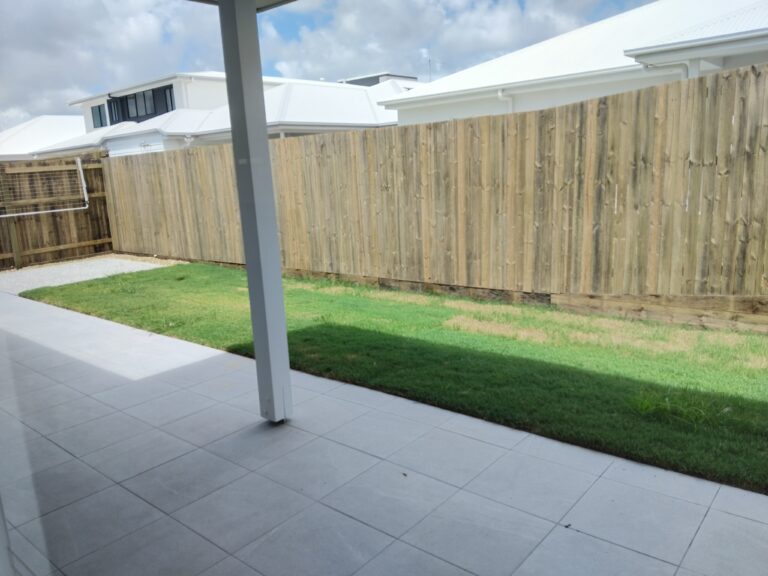
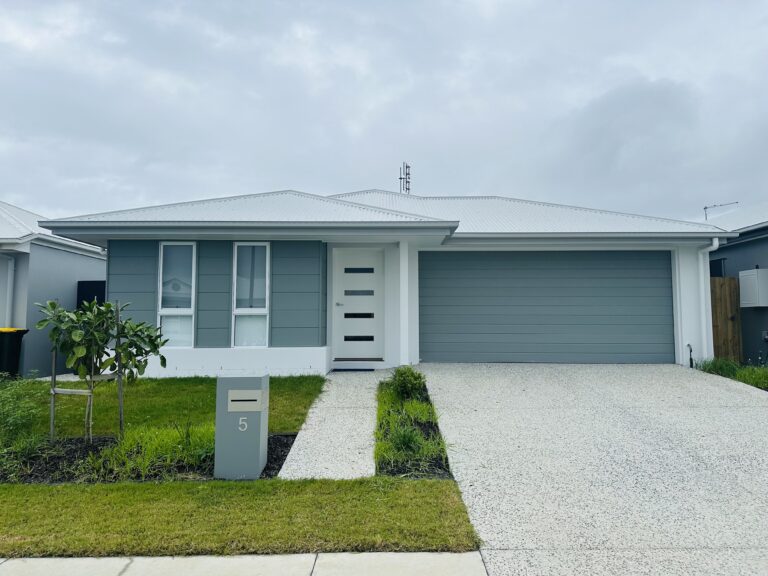
We operate SIL homes on the Sunshine Coast, Noosa, Moreton and Gympie regions. Our support workers provide 24/7 or rostered daily support depending on the level of need in each home. Each home has a small number of residents and is staffed to meet the individual support plans of everyone living there. We can discuss vacancies and the referral process directly.
What Is ILO Under the NDIS?
Individualised Living Options (ILO) is a flexible NDIS funding package that gives participants the ability to design their own living arrangement. Rather than moving into an existing supported housing model, ILO allows a participant to choose where they live, who they live with, and what support looks like day to day. ILO funding covers the supports in the home — not the home itself or activities outside it.
ILO arrangements
Under the ILO framework, participants can access a range of living arrangements. The four main ILO arrangements are:
- Co-residency — A paid support worker or carer lives in the participant’s home full-time or part-time and provides support as part of that arrangement.
- Host arrangement — The participant lives in the home of a host family or individual who provides some paid supports as part of the hosting agreement.
- Living alone — The participant lives in their own home and receives support from paid workers or a combination of paid assistance and informal supports.
- Living together — The participant lives with other people of their choosing and receives support in that shared arrangement.
ILO arrangements can involve a mix of paid supports and informal supports from family members, friends, and community contacts. The package is designed to be flexible. The ILO supports are built around the participant’s life, not a roster determined by a shared home.
ILO Funding: The Two Stages
ILO funding is structured in two stages. The first stage is an exploration and design phase, where a participant works with a provider and their support coordinator to map out what living arrangement would work best for them, what supports they need, and how those supports will be delivered.
The second stage is implementation, where the funding flows from to cover the ongoing ILO supports, which may include personal care, in-home support, transport, and skill-building. Your NDIS planner or support coordinator can help you understand what is covered in your specific ilo package.
Who Is Eligible For ILO Under the NDIS?
ILO is available to NDIS participants who want more flexibility and self-direction in how their living supports are arranged. It tends to suit participants with lower support needs who want to live in their own home or community arrangement, or participants who have a strong preference for who provides their support and how.
ILO is also a strong option for participants who have existing informal supports — such as a host family or a supportive community network — and want to formalise and supplement those arrangements through NDIS funding.
ILO at Your Best Life Independent Living
We provide NDIS ILO options across the Sunshine Coast, Brisbane, and surrounding areas. We can work with you, your support coordinator, and your family members to find suitable housing, introduce you to potential housemates or hosts, and implement the supports that make your chosen arrangement sustainable.
If you would like to understand what happens next, learn more about how Individualised Living Options work, from exploring your preferences to designing and reviewing your support arrangement.


SDA vs SIL vs ILO: What Is the Difference?
The three options are distinct in purpose, funding, and who they suit. Here is how each one compares.
SDA at a glance
- What it is: Purpose-built or significantly modified housing funded through the NDIS capital support budget
- What it covers: The physical property, not support workers or daily assistance
- Who funds it: NDIS (capital support and separate from core supports)
- Who it suits: Participants with extreme functional impairment or very high support needs who require specialist housing features
- Typical features: Wheelchair accessibility, ceiling hoists, reinforced construction, high physical support design
- Living with others: Often — SDA homes commonly house more than one participant
- Support workers included: No, support worker costs are funded separately through SIL or other core supports
SDA solves the problem of the physical environment. It does not solve the problem of who assists you day to day which is what SIL or ILO is for.
SIL at a glance
- What it is: Funded daily support for participants living in shared or individual homes
- What it covers: Support workers for personal care, household tasks, overnight support, and daily living assistance
- Who funds it: NDIS (core supports budget)
- Who it suits: Participants who need regular, structured daily support and are open to shared living arrangements
- Typical arrangement: Shared home with a small number of participants, rostered support workers across the week
- Living with others: Usually — most SIL arrangements are shared
- Covers rent: No, participants pay rent from their own income or via Commonwealth Rent Assistance
SIL solves the problem of daily support. It does not cover the property itself and it does not give participants the flexibility to design their own arrangement.
ILO at a glance
- What it is: A flexible NDIS funding package that lets participants design their own living arrangement
- What it covers: Supports in the home including paid assistance, skill-building, and coordination of informal supports
- Who funds it: NDIS (core supports or capacity building, depending on the arrangement)
- Who it suits: Participants who want control over where they live, who supports them, and how that support is delivered
- Typical arrangement: Co-residency, host arrangement, living alone with paid support, or living with chosen others
- Living with others: Participant chooses whether alone, with a host, or with others of their choosing
- Includes informal supports: Yes, ILO can blend paid assistance with informal supports from family, friends, or community
ILO solves the problem of flexibility and self-direction. It suits participants who want their living arrangement built around their life and not slotted into an existing model.
The most important distinction to understand is that SDA is about the physical property, while SIL and ILO are both about how support is delivered. A participant can live in an SDA home and receive SIL funding at the same time — but only if they are separately approved for both, and only if the SDA property is registered to provide that housing type.
SDA, SIL, and ILO: How They Can Work Together
Can you have SDA and SIL together?
Yes, this is in fact a very common combination. A participant who lives in an SDA home and also requires daily support from support workers will typically have both SDA funding (covering the property) and SIL funding (covering the support hours) in their NDIS plan.
These are assessed and funded separately. Having SDA approved does not automatically mean you will receive SIL, and vice versa. Both require separate evidence, assessment, and NDIS approval.
Is SDA the same as SIL?
No. SDA and SIL are separate and distinct NDIS support types. SDA is a capital support that funds the specialist housing itself. SIL is a core support that funds the daily assistance provided in a home.
Many people assume that if they move into an SDA home, their support workers are included — but they are not. Support workers are funded through SIL, which is a separate line item in the NDIS plan.
Does SDA include support workers?
No. SDA funding covers the cost of the specially designed home, not the people who support you inside it. If a participant living in an SDA home needs support workers for personal care, household tasks, or overnight support, that cost is typically covered by SIL funding. Some participants in SDA homes may also use other supports such as core support hours or high intensity daily personal activities funding, depending on their individual circumstances.
Is ILO the same as SIL?
No — though both fund the support a participant receives in their home, they operate differently. SIL is typically delivered in a structured shared living arrangement with a rostered team of support workers. ILO is participant-designed and flexible, and can include a wider range of arrangements, including host family setups, co-residency, and arrangements that blend paid workers with informal supports.
ILO tends to suit participants who want more control over who provides their support and how, while SIL suits participants who need consistent, structured daily support across the week.
Does SIL include rent?
No. SIL funding does not cover rent, mortgage repayments, or any property costs. It funds the support workers who assist with daily living. Participants living in SIL homes are typically responsible for paying rent from their personal income or through Commonwealth Rent Assistance where applicable. The property itself may be owned by an SDA provider, a community housing provider, or a private landlord, depending on the specific arrangement.


Which NDIS Housing Option May Suit You?
The right option depends on your support needs, your goals, your current living situation, and what is available in your area. Below is a practical guide to help you think through which direction to explore first.
SDA may suit you if:
- You have extreme functional impairment or very high support needs that cannot be met in standard housing
- Your home needs to include specialist features such as ceiling hoists, reinforced construction, or high physical support design
- You currently live in an environment that is not safe or appropriate for your needs
- You are already receiving a high level of paid supports and a specialist living environment would reduce the overall cost of your support
SIL may suit you if:
- You need regular daily support with personal care, household tasks, and daily living
- You are open to living in a shared home with other NDIS participants
- You require overnight support or active overnight supervision
- You want a structured, supported environment where a team is rostered to assist you across the week
ILO may suit you if:
- You want to live in your own home or a chosen arrangement — not a provider-run group home
- You have existing informal supports, such as a family member, friend, or host, who can be part of your support arrangement
- You want control over who provides your support and when
- You have lower support needs or are working toward greater independence
- You are interested in a host arrangement or co-residency model
If you are still unsure which direction suits your situation, a support coordinator can complete an NDIS home and living assessment with you. This assessment documents your goals, your current living circumstances, and your support needs, and forms the basis of a funding request to the NDIS.
How To Get Support With NDIS Housing Options
Accessing NDIS housing support — whether SDA, SIL, or ILO — generally follows a similar pathway. Understanding the steps involved helps you prepare and reduces delays.
- Step 1: Confirm your NDIS eligibility and current plan details. Check whether your plan includes existing home and living funding, or whether a new funding request is needed.
- Step 2: Gather supporting evidence. For SDA and SIL, formal assessments from allied health professionals are required. For ILO, an exploration document outlining your proposed arrangement is needed. Your support coordinator can help you identify what evidence is required.
- Step 3: Work with your NDIS planner or support coordinator to submit a home and living support request. This is a formal request to the NDIS for funding to be included or increased in your plan.
- Step 4: Once funding is approved, work with a registered provider to find a suitable home or design your ILO arrangement. For SDA and SIL, this may involve a waiting period depending on availability in your area.
The process can feel long, particularly for SDA. Starting early, getting the right evidence in place, and working with a provider who understands the system makes a significant difference.
How Your Best Life Independent Living Can Help
Your Best Life Independent Living is a registered NDIS provider offering SDA, SIL, and ILO services across the Sunshine Coast and North Brisbane. We have SDA homes at Tewantin, Sippy Downs, and Nirimba, SIL homes on the Sunshine Coast, Noosa, Moreton and Gympie regions, and ILO support available across the Sunshine Coast, Brisbane, and surrounding regions.
We understand that choosing the right NDIS housing option is a significant decision. Our team is experienced in working alongside participants, support coordinators, and family members to navigate the pathway, from initial enquiry through to funding approval, home placement, and ongoing daily support.
We also offer High Intensity Support (HIS) and Medium Term Accommodation (MTA) for participants who need a short-term solution while longer-term housing is arranged.
We are happy to talk through your situation with no pressure and no obligation. Contact us on 07 5293 9020.

Ready To Explore Your NDIS Housing Options?
Whether you are working toward your first supported living arrangement or reviewing what is currently in your plan, we are here to help you find the right fit. Your Best Life Independent Living supports participants across the Sunshine Coast and North Brisbane — from Tewantin and Sippy Downs through to Nirimba, and beyond.
Contact us today via phone or email. We can answer your questions, explain what is available in your area, and help you take the next step with confidence.
Frequently Asked Questions
No. SDA (Specialist Disability Accommodation) is NDIS funding for the physical housing itself — the purpose-built or modified property. SIL (Supported Independent Living) is funding for the daily support a participant receives inside a home. A participant can have both SDA and SIL at the same time, but they are assessed and funded separately. SDA does not include support workers.
Yes. Many participants who live in SDA homes also receive SIL funding to cover their daily support needs. These are two separate funding streams, each requiring its own evidence, assessment, and NDIS approval. Having one does not automatically mean you qualify for the other.
No. SIL funding covers the cost of support workers for personal care, household tasks, overnight support, and daily living assistance. It does not cover rent, utilities, or any property costs. Participants living in SIL homes typically pay rent from their own income or via Commonwealth Rent Assistance.
No. SDA funding covers the cost of the specially designed property, not the people who provide support inside it. Support worker costs are funded through SIL or other core support funding in the NDIS plan.
No. Both fund support in a home setting, but they work differently. SIL is delivered in a structured shared living arrangement with a rostered team. ILO is flexible and participant-designed. It can include host arrangements, co-residency, living alone with paid support, or living with others the participant has chosen. ILO tends to suit participants who want more control over their living arrangement and who may have lower or more flexible support needs.
SDA is available to a small percentage of NDIS participants who have extreme functional impairment or very high support needs that cannot be met in standard housing. Eligibility is assessed separately from general NDIS eligibility and requires detailed evidence of the participant’s functional capacity and the specialist housing features they need.
This depends on your support needs, goals, and preferences. If you need specialist, purpose-built housing, SDA may be appropriate. If you need structured daily support in a shared or own home, SIL may suit you. If you want to design your own living arrangement with flexible supports, ILO may be the better fit.
A support coordinator can complete a home and living assessment to help identify the right option and build the evidence needed to request funding.
Start by clarifying what you actually need — is the challenge the physical environment, the daily support, or the flexibility of the arrangement? SDA solves the first problem. SIL solves the second. ILO solves the third. In some situations, more than one option may be relevant.
Speaking with your support coordinator and with a registered provider who offers all three supports — like Your Best Life Independent Living — is the most effective way to map out the right pathway for your situation.
Start living independently today
Contact Form
"*" indicates required fields